
Description: Planning a home gym? Discover 10 common home gym equipment mistakes that waste money, take up space, and affect your workouts and learn how to avoid them.
Introduction: Are You Spending Money on the Wrong Gym Equipment?
Building a home gym is an exciting step towards a healthier lifestyle. You get the freedom to work out on your schedule, choose your preferred equipment, and exercise without travelling to a commercial gym.
But there’s one problem many people discover too late: buying fitness equipment doesn’t automatically mean you’re building the right home gym.
Some people spend too much on machines they rarely use. Others purchase equipment that doesn’t fit their space, fails to support their fitness goals, or becomes frustrating after only a few weeks.
The good news? Most of these mistakes are avoidable.
Whether you’re setting up your first workout space or upgrading an existing gym, understanding what to avoid can help you make smarter purchasing decisions.
At PowerHome Fitness, we believe that choosing suitable equipment is an important part of creating a home workout space that works for you.
Here are 10 common home gym equipment mistakes and how to avoid them.
1. Buying Equipment Before Defining Your Fitness Goals
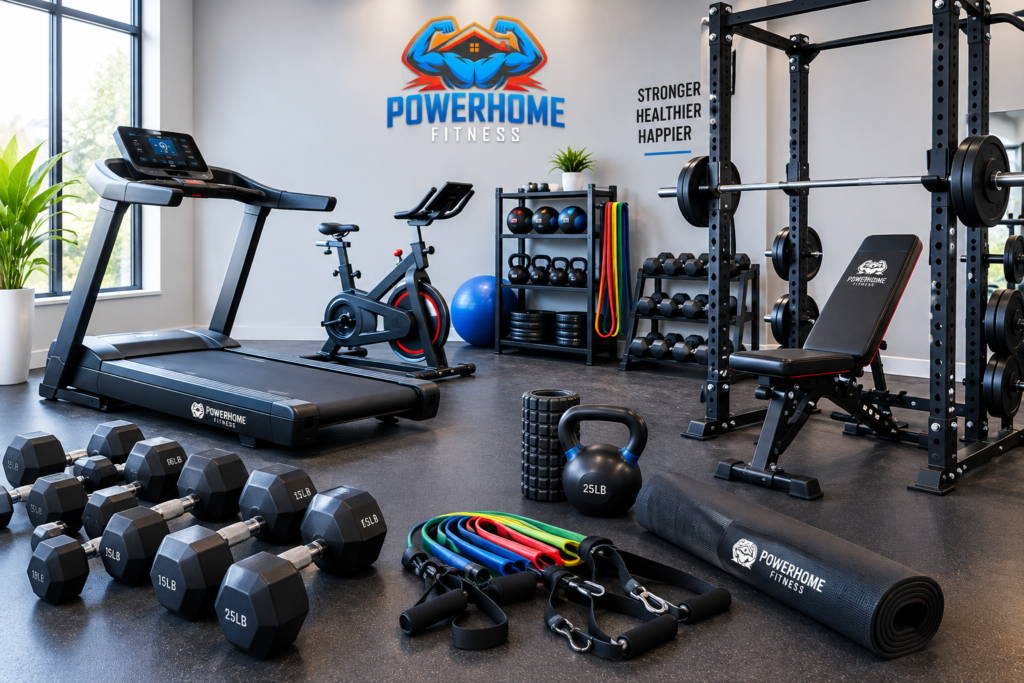
One of the biggest mistakes is purchasing equipment simply because it looks impressive or someone else recommends it.
A treadmill may be ideal for someone who enjoys running, but it might not be the best first purchase for someone primarily interested in building muscle.
Before buying anything, ask yourself:
- Do I want to build strength or muscle?
- Is improving cardiovascular fitness my main goal?
- Am I looking for general fitness and weight management?
- How many days a week will I realistically exercise?
How to avoid it: Write down your main fitness goals and choose equipment that supports them. Start with the essentials rather than purchasing everything at once.
2. Choosing Price Over Quality
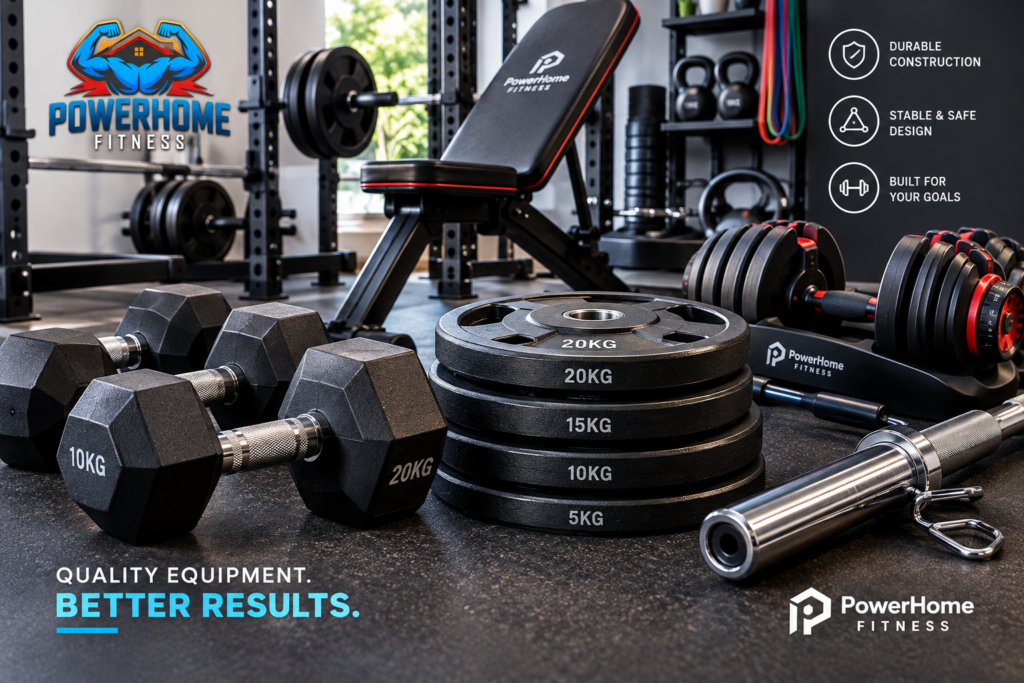
Everyone wants good value for money. However, choosing equipment based on price alone can lead to disappointment.
A product that looks affordable initially may not offer the durability, stability, comfort, or functionality you need.
This doesn’t mean you must buy the most expensive equipment available. It means understanding what you’re paying for.
How to avoid it: Compare construction, materials, weight capacity, warranty terms, maintenance requirements, and customer reviews. Choose equipment that offers suitable quality for your budget and intended use.
3. Buying Equipment That Doesn’t Fit Your Space
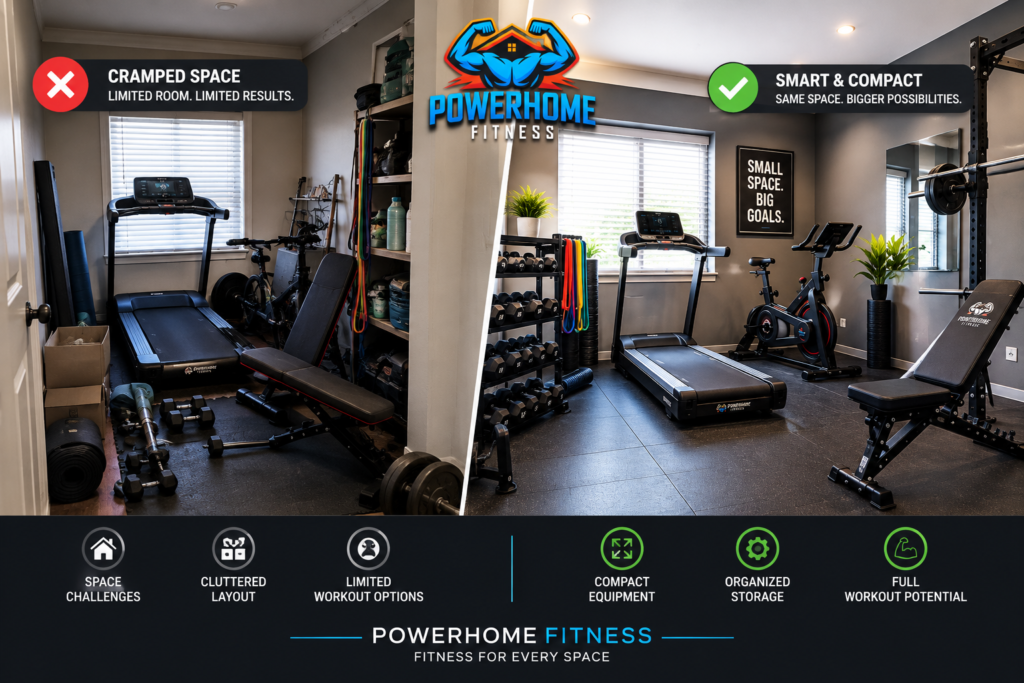
Imagine ordering a treadmill or weight bench only to discover that it barely fits in your workout room.
Large equipment can quickly make a small space feel crowded, leaving you with little room to move safely.
How to avoid it:
- Measure your available floor space before ordering.
- Check the equipment’s assembled dimensions.
- Allow room for mounting, dismounting, and movement.
- Consider compact or foldable equipment where appropriate.
- Check storage requirements for weights and accessories.
A well-planned small gym can be more practical than a large room filled with equipment you don’t use.
4. Buying Too Much Equipment at Once
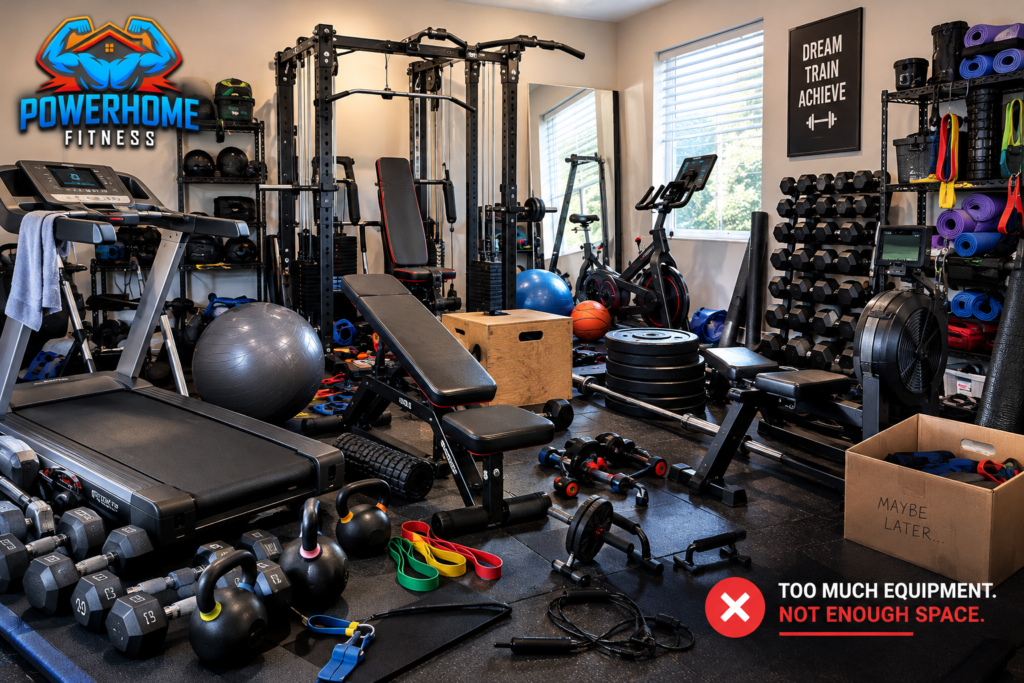
It’s easy to get carried away when planning a home gym. You might want a treadmill, exercise bike, dumbbells, a barbell, a bench, resistance bands, and several machines immediately.
However, purchasing too much equipment before establishing a routine can waste money and valuable space.
How to avoid it: Begin with a few versatile items that match your goals. Once you’ve established a consistent routine, identify the limitations of your current setup and purchase additional equipment when there’s a clear reason to do so.
Build your gym gradually, based on how you actually train.
5. Ignoring Versatility
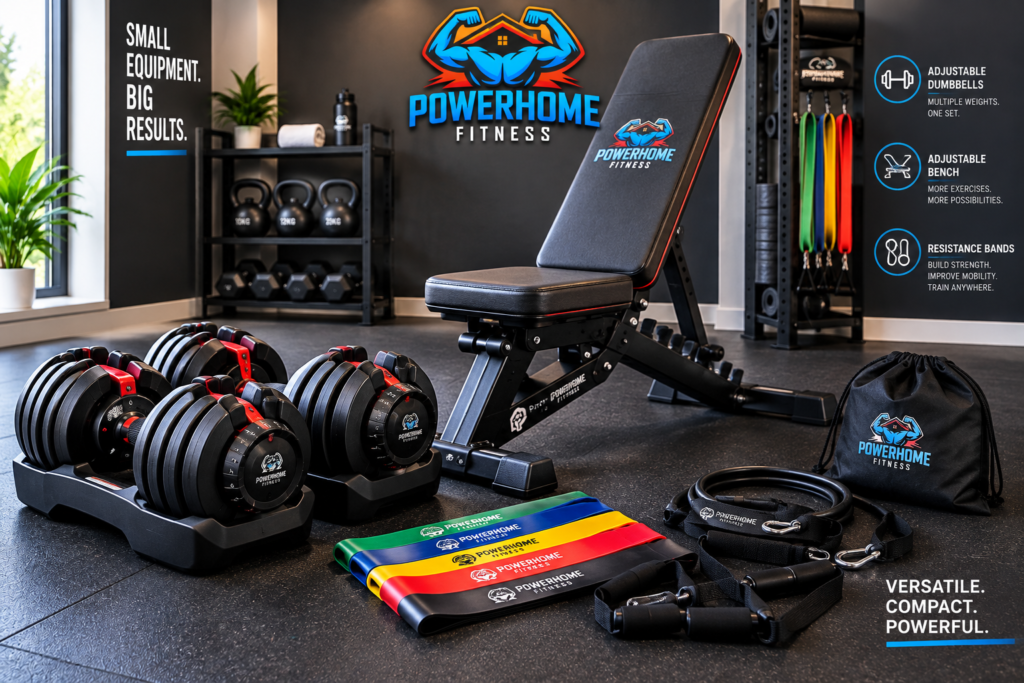
Some equipment supports only a narrow range of exercises, while other items can be used in many different ways.
For example, adjustable dumbbells can support a variety of strength exercises without requiring multiple pairs of fixed weights.
Resistance bands are another versatile option for resistance training, warm-ups, and mobility work.
How to avoid it: Consider how many useful exercises a product supports, whether it can accommodate your progression, and how easily it fits into your routine.
Versatility can be especially valuable when you’re working with limited space or a restricted budget.
6. Forgetting to Check Weight Capacity and Safety Features
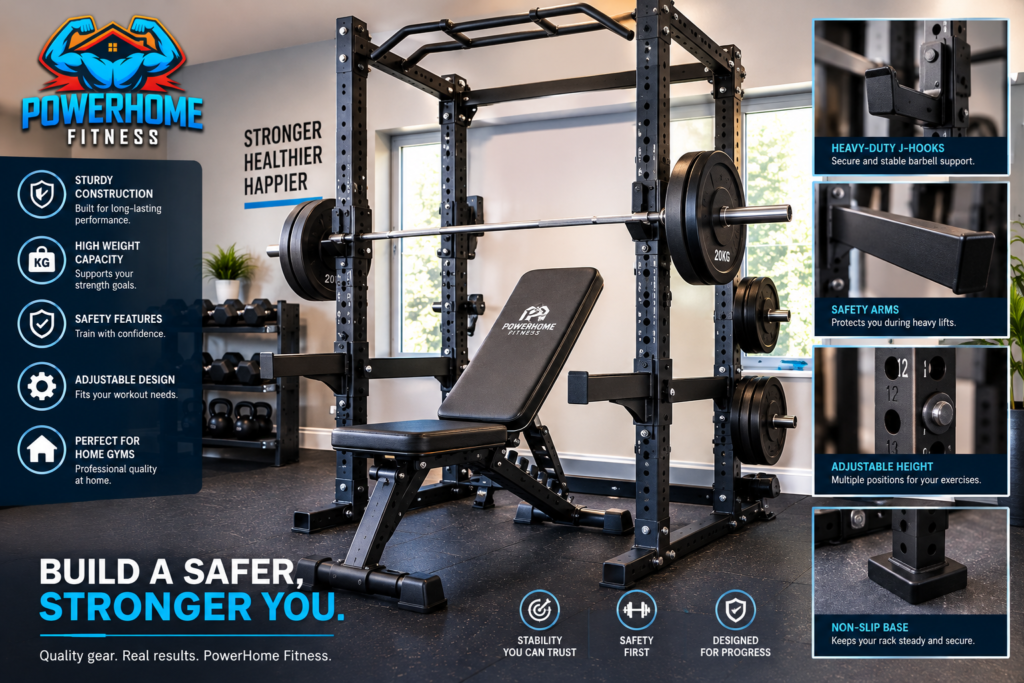
Fitness equipment must be appropriate for the loads and activities it is designed to support.
Ignoring weight limits, stability, assembly requirements, or safety mechanisms can increase the risk of equipment failure and injury.
How to avoid it:
- Check the manufacturer’s stated weight limits.
- Follow the assembly and installation instructions.
- Use racks and benches on suitable, stable surfaces.
- Inspect equipment regularly for damage or loose components.
- Use appropriate safety accessories when lifting heavy weights.
Never assume that equipment is safe simply because it looks sturdy.
7. Buying Cardio Equipment You’ll Rarely Use
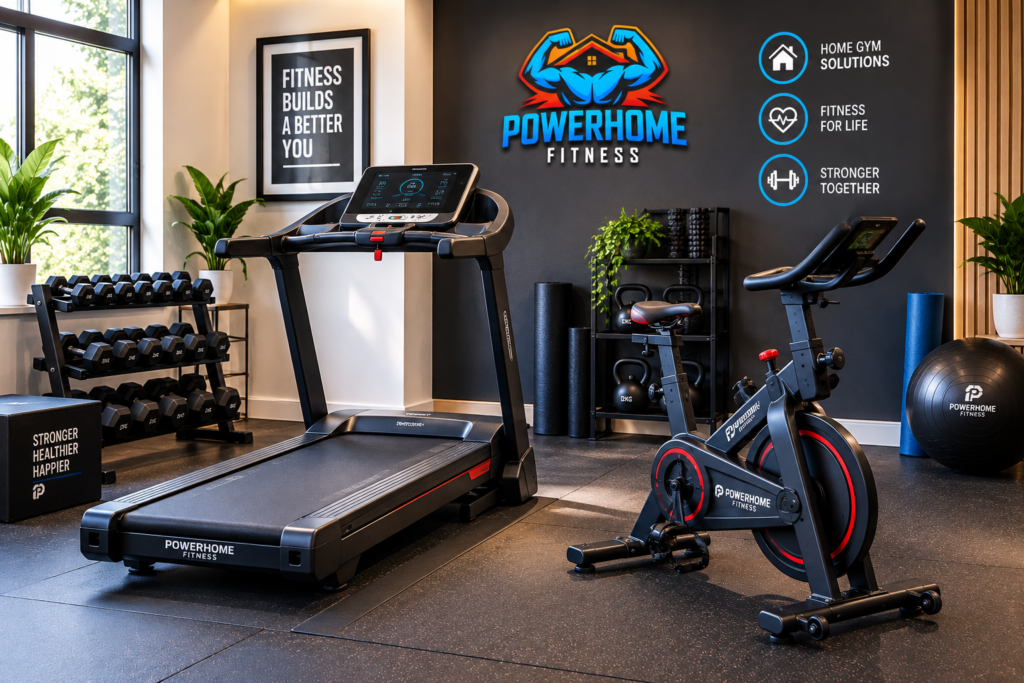
Cardio machines can be useful, but they aren’t automatically the right investment for everyone.
If you dislike running, buying an expensive treadmill may not help you maintain a consistent routine. Someone who enjoys cycling may find an exercise bike more appealing.
Your preferred activity matters because enjoyable workouts can be easier to maintain over time.
How to avoid it: Choose cardio equipment that suits your interests, available space, and fitness needs. If possible, try the equipment before buying it or carefully review its features and dimensions.
The best machine is one that fits your lifestyle and that you’re likely to use consistently.
8. Overlooking Maintenance and Warranty Requirements
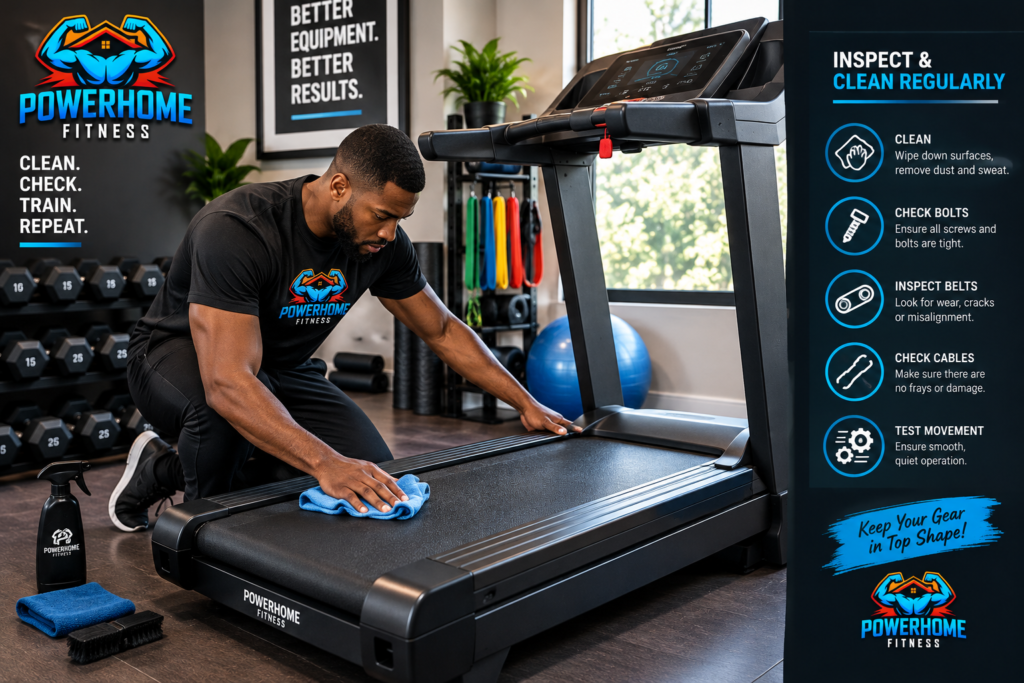
Home gym equipment may require regular cleaning, lubrication, adjustments, or servicing.
Ignoring maintenance can affect performance and shorten the useful life of some machines. Warranty coverage also varies between manufacturers and products.
How to avoid it: Before purchasing, check the maintenance instructions, warranty coverage, availability of replacement parts, and after-sales support.
Keep the manufacturer’s instructions and follow the recommended maintenance schedule.
A little planning can help you understand the ongoing responsibilities associated with your equipment.
9. Buying Equipment Without Considering Future Progress
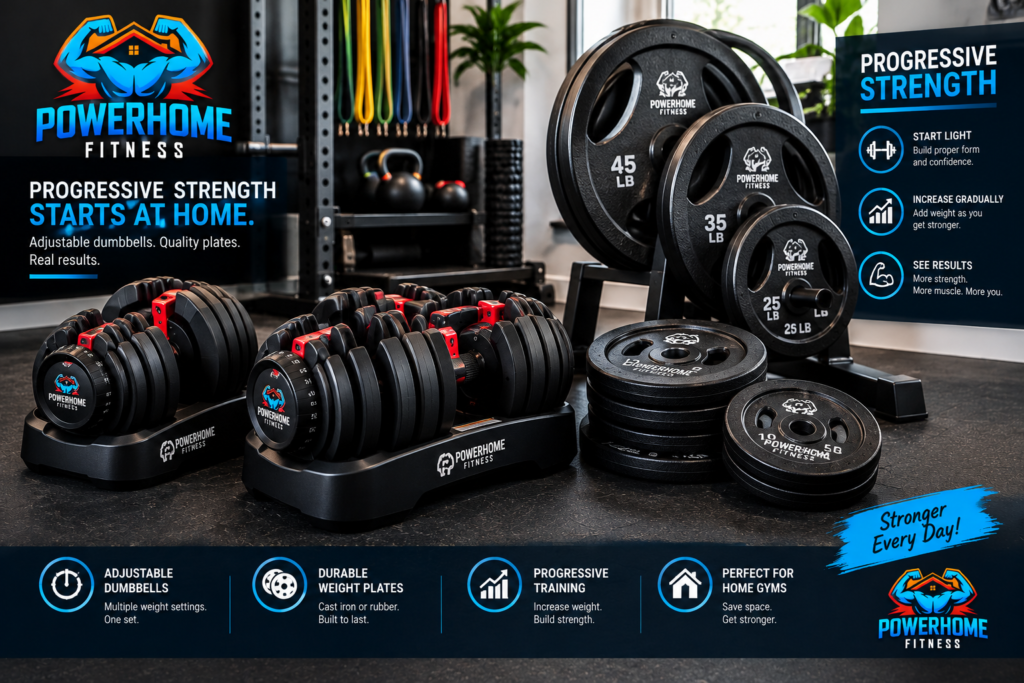
Equipment that suits your current fitness level may not always meet your future needs.
For example, a very limited range of weights may become restrictive as your strength improves.
On the other hand, buying advanced equipment before you know how to use it may be unnecessary.
How to avoid it: Think about how your training may develop over the next several months. Look for appropriate adjustability, expandable options, and equipment that can accommodate gradual progression.
You don’t need to predict every future goal. Simply choose products that offer flexibility where it makes sense.
10. Focusing on Equipment Instead of Consistency
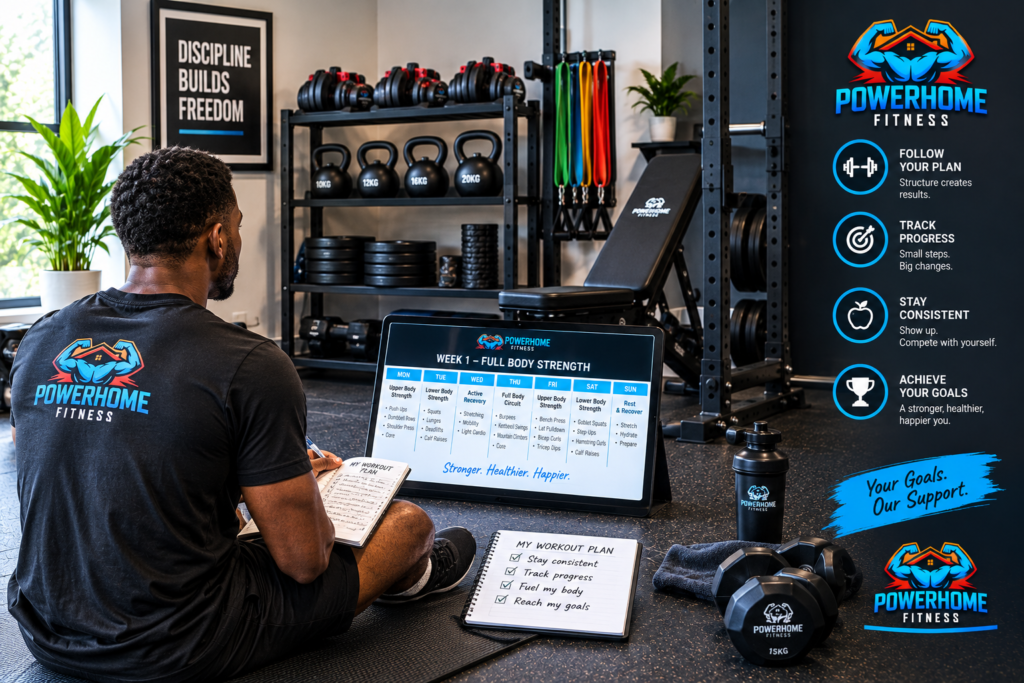
Here’s a mistake that’s easy to overlook: believing that purchasing more equipment will automatically produce better fitness results.
Even the most advanced home gym cannot replace consistent exercise, suitable training, recovery, and healthy lifestyle habits.
You can make meaningful progress with a relatively simple setup if you use it regularly and train appropriately for your goals.
How to avoid it: Create a realistic workout schedule, track your progress, learn proper exercise technique, and allow sufficient recovery.
Before purchasing another machine, ask yourself whether your current equipment is being used effectively.
Sometimes, the best investment isn’t another product it’s a better routine.
Bonus Tip: Always Compare Before You Buy
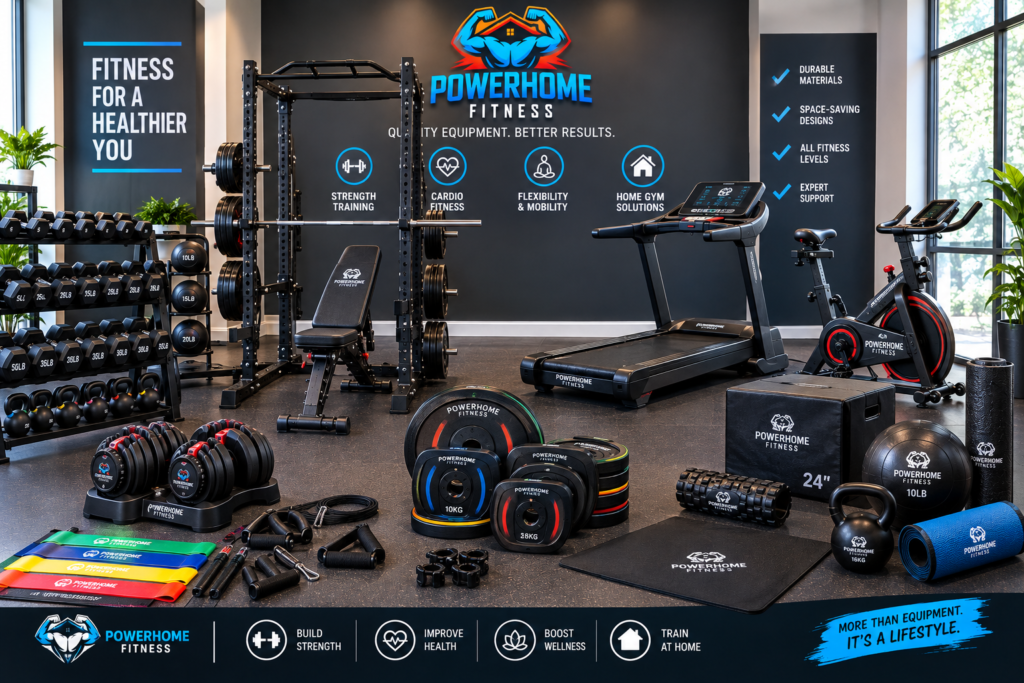
Before making a purchase, compare products based on:
- Quality and durability
- Features and functionality
- Size and storage requirements
- Weight capacity and safety
- Warranty and maintenance
- Price and overall value
Read product specifications carefully and check that the equipment is suitable for your intended use.
Taking a little extra time to research your options can help you avoid unnecessary purchases.
Find Equipment That Fits Your Goals with PowerHome Fitness
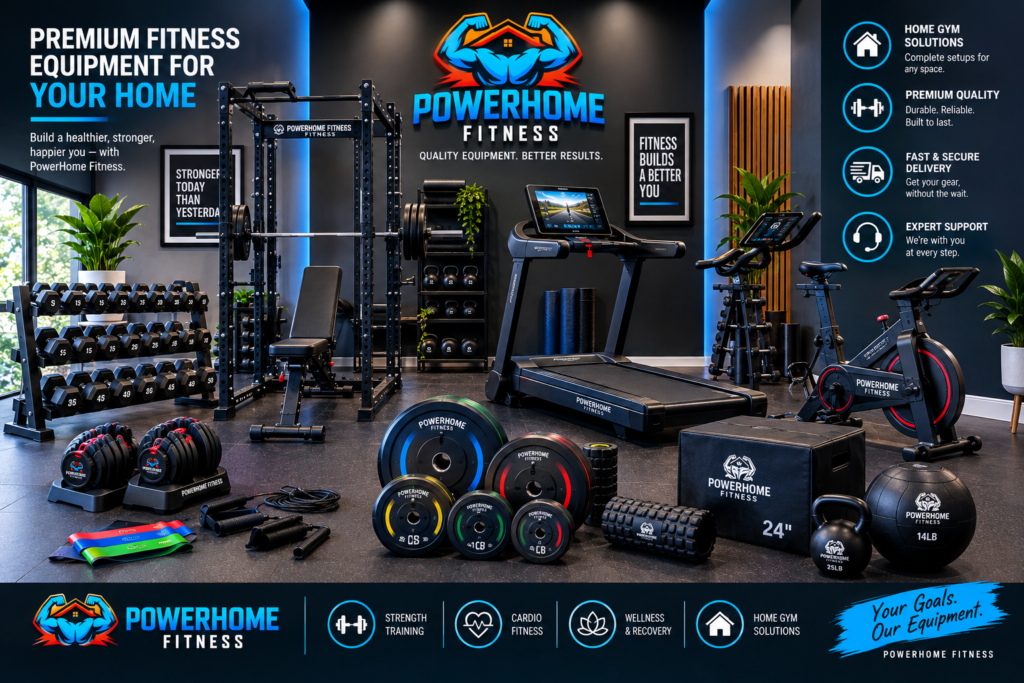
Building a home gym should be an exciting step towards your fitness goals—not a collection of expensive purchases that gather dust.
By defining your goals, measuring your space, prioritising quality, and thinking carefully about how you’ll use each product, you can create a setup that works for your lifestyle.
PowerHome Fitness is here to help fitness enthusiasts explore equipment options for different training needs and home workout spaces.
Whether you’re just getting started or upgrading your existing setup, take time to choose equipment that suits your goals, space, and budget.
Ready to build a smarter home gym?
Explore the fitness equipment available from PowerHome Fitness and take the next step towards creating your ideal workout space.
Whether you’re creating your first workout space or upgrading your existing setup, PowerHome Fitness can help you take the next step towards your fitness goals.
Train smarter. Get stronger. Feel better right at home.
Explore Our Fitness Equipment →
PowerHome Fitness Quality Equipment. Better Results.
Conclusion
A great home gym isn’t defined by how many machines you own or how much money you spend.
It’s defined by how well your equipment supports your goals, fits your space, and helps you maintain a consistent exercise routine.
Avoiding these 10 common mistakes can help you make more informed decisions, protect your budget, and build a workout space you’ll enjoy using.
Start with a clear plan, invest in suitable equipment, and remember that progress comes from putting your setup to good use.
PowerHome Fitness helping you make smarter choices for your fitness journey.